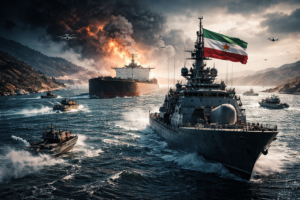
Hormuz Blockade Live Day 15: 7 Key Shifts Explained
hormuz blockade live day 15 updates are getting sharper—and more alarming—because ships now appear to be turning back rather than testing the U.S. Navy’s enforcement line. That change matters because it signals a new reality: operators, insurers, and captains may believe the risk of detention or escalation has crossed a tipping point.
Meanwhile, the U.S. says it is targeting traffic to and from Iranian ports—not shutting the entire Strait of Hormuz. However, with threats flying from Tehran and oil already above $100 in some trading sessions, even “limited” disruption can ripple into fuel prices, freight rates, and supply chains worldwide.
Quick summary (Day 15 at a glance)
On Day 15 of the Hormuz blockade, vessel activity tied to Iranian ports remains near zero, and multiple ships appear to be turning back before reaching Iranian port approaches. The U.S. continues enforcement with a large naval presence while insisting non-Iranian traffic can still move through the strait. Iran calls the operation “piracy” and warns of retaliation, keeping the risk of miscalculation high.
Hormuz blockade live day 15: what we know right now
1) Ships are turning back—what that likely means
Today’s headline detail—ships turning back—may sound simple. In practice, it usually reflects a hard calculation by shipowners and charterers: the cost of continuing (detention risk, insurance spikes, crew safety, possible sanctions exposure) outweighs the cost of rerouting or waiting.
Just as importantly, turn-backs can create a feedback loop. Once a few operators reverse course, others follow fast. Then, port calls get canceled, schedules collapse, and cargo owners scramble for alternatives.
2) The “near-zero” Iran-port traffic pattern is holding
Early tracking snapshots suggested a dramatic drop from normal traffic levels through Hormuz. Reports in the first days described a steep decline versus typical daily flows, with only a tiny number of vessels moving compared with “100+” in normal conditions.
By Day 15, that pattern has hardened into something closer to a standstill for Iranian port-linked traffic. In other words, the blockade’s goal—pressuring Iranian exports and port throughput—appears to be working in the narrow operational sense.
3) The U.S. says it’s not closing the strait entirely
U.S. messaging has emphasized that non-Iranian port traffic should continue. That distinction is crucial for global markets because the Strait of Hormuz functions as a corridor for far more than Iran’s trade.
Still, in real-world shipping, fear spreads faster than official clarifications. So even if the policy targets Iranian ports, operators may act as if the whole area has become a high-risk zone.
4) Force posture remains heavy, and that changes captain behavior
Multiple reports describe a major U.S. deployment—warships, aircraft, and additional troops—to enforce the blockade. That kind of presence does two things at once. First, it improves interdiction capacity. Second, it raises the perceived chance of encounter at sea, which can be enough to deter even “legal” voyages tied to Iran.
For the early-days overview and the U.S. framing of the operation, see CBS News’ live updates on the blockade and Iran port enforcement.
5) Iran’s retaliation warnings keep the risk premium high
Iran has described the blockade as illegal and has warned that Gulf ports may not be safe. Even without direct action, that threat alone can lift insurance quotes and push some vessels to delay sailing orders.
At sea, uncertainty is the enemy. When crews and captains cannot predict what “safe passage” looks like tomorrow, they often choose the most conservative option today: stop, wait, or turn around.
6) Oil and freight markets react to fear, not just facts
Oil price spikes above $100 have been reported in connection with the crisis narrative, and the broader “shipping crisis update” story now includes fertilizer and other cargo routes as well. Importantly, markets don’t need a full closure to panic. They only need a plausible path to a bigger disruption.
That’s why Day 15 turn-backs matter. They signal behavioral change, which markets often treat as the earliest proof that a situation is worsening.
7) A single “defiant” voyage still shapes the narrative
One standout early incident involved a sanctioned Chinese tanker, often cited as having transited despite the blockade on Day 1. Even if most operators comply, one high-profile exception can drive political messaging on both sides.
For shipping watchers, the lesson is straightforward: isolated voyages can become symbolic flashpoints, especially if cameras, trackers, and officials amplify them.
Who is doing what (key players)
U.S. Navy / CENTCOM: enforcing access to Iranian ports
The U.S. operation focuses on restricting maritime traffic connected to Iranian ports in and near the Strait of Hormuz. Public statements have emphasized that commercial shipping to non-Iranian ports should continue.
For official context and releases, you can follow U.S. Central Command (CENTCOM), which regularly posts operational updates and statements.
Iran: condemning the blockade and signaling consequences
Iran’s leadership has branded the blockade as “piracy” and threatened retaliation. That messaging serves two audiences at once: domestic audiences that expect defiance and external audiences that may fear a wider regional conflict.
UK and other partners: cautious distance, selective support
Reports suggest the UK has not joined the blockade directly while still supporting planning for maritime safety afterward. That cautious posture reflects a common dilemma: help prevent escalation while avoiding ownership of a risky enforcement mission.
Where the pressure concentrates (ports, lanes, choke points)
The Strait of Hormuz is the main choke point, but the operational pressure concentrates at the edges: port approaches, anchorage areas, and routing decisions that happen days before a ship even nears the strait.
In addition, the world treats Hormuz as uniquely sensitive because of its share of energy flows. For a clear explainer on why this narrow waterway matters so much, read the Strait of Hormuz background page and its overview of regional energy transit.
Timeline so far (Day 1 to Day 15)
- Day 1 (April 13, 2026): The U.S. begins blockade enforcement targeting traffic to/from Iranian ports, following the collapse of ceasefire talks reported to have taken place in Pakistan.
- Day 2 (April 14, 2026): Vessel tracking reports show an unusually small number of transits compared with typical daily levels.
- Days 3–7: Operators adjust routing, insurers reprice risk, and charterers seek alternatives. Meanwhile, public threats and counter-threats raise tension.
- Week 2: Disruption spreads beyond crude oil into refined products and some non-energy cargo planning, as delays and uncertainty stack up.
- Day 15 (April 27, 2026): Multiple ships appear to turn back, and Iran-port-linked activity stays minimal—reinforcing the picture of a sustained, enforced choke on Iranian maritime trade.
Background and context: why Day 15 feels different
By Day 15, the story is no longer “a blockade has started.” Instead, it becomes “a blockade is holding.” That shift matters because it changes behavior up and down the chain—ports, traders, refineries, freight brokers, and governments.
Historically, Hormuz tensions have repeatedly shown how quickly maritime risk spreads. Even a limited incident can trigger convoy talk, rerouting, and a sharp risk premium. So, when ships turn back in visible ways, it’s not just a shipping detail. It’s a signal that the risk calculation has changed.
Expert perspectives: two competing readings of the same data
Viewpoint A: Turn-backs show the blockade is “working”
Supporters of the operation can point to compliance behavior: reduced Iran-port calls, fewer attempts to run the enforcement line, and a clearer deterrent effect. In that view, the U.S. has achieved a strategic aim without shutting down non-Iranian trade through the strait.
Viewpoint B: Turn-backs raise the odds of a dangerous accident
Critics argue the opposite. They see a crowded, tense environment where misread signals, sudden maneuvers, and overlapping rules can trigger an incident. In that view, “successful deterrence” might still produce unintended escalation—especially if Iran decides to respond asymmetrically.
Also, even if the U.S. intends to keep non-Iranian traffic moving, fear can still chill the entire region’s shipping patterns. That can push costs onto consumers far from the Gulf.
What happens next (and what to watch in the next 24–72 hours)
- More turn-backs or long drifting periods: If ships keep reversing course, it suggests the industry believes enforcement will stay tight.
- Any high-profile “test” transit: Another defiant voyage—especially by a major state-linked firm—could force a response and raise stakes.
- Oil and insurance moves: Watch whether prices keep climbing and whether insurers add new exclusions for the Gulf.
- Signals from Tehran and Washington: A shift from threats to specific red lines (or vice versa) can move markets fast.
- Safety incidents: Even a non-combat collision or boarding dispute could escalate in this environment.
FAQs
What is the Hormuz blockade on Day 15?
It refers to continued U.S. enforcement aimed at blocking maritime traffic to and from Iranian ports in the Strait of Hormuz area. On Day 15, trackers and reporting suggest ships are turning back and Iran-port-linked movement remains extremely low.
Is the Strait of Hormuz fully closed?
No. The U.S. has indicated the focus is Iranian ports, while non-Iranian traffic should still move. However, regional risk can still slow or reroute many ships.
Are ships really being turned back?
Day 15 reporting indicates multiple ships appear to reverse course rather than proceed toward Iranian port approaches. In shipping, that usually reflects risk, cost, or enforcement concerns.
Did any ships pass the blockade earlier?
Yes. Early reporting highlighted at least one sanctioned Chinese tanker, “Rich Starry” (Malawi-flagged), as a notable exception on Day 1, while overall traffic dropped sharply.
How many U.S. assets are enforcing the blockade?
Reports describe a large posture including more than 15 warships, aircraft such as F-35B jets, and additional troops. Exact numbers can shift as forces rotate.
Why did the U.S. start the blockade?
Reporting indicates President Trump ordered the action after ceasefire talks failed, with the goal of restricting Iranian maritime trade—especially oil-linked flows—without closing the entire strait.
How does this affect regular people outside the region?
Even limited disruption can raise oil prices, increase shipping and insurance costs, and then feed into higher prices for fuel and some goods. That’s why the shipping crisis update angle matters beyond geopolitics.
Will the UK join the blockade?
Reports suggest the UK has not joined the enforcement operation, although it may support planning related to maritime safety after hostilities.
Conclusion: Day 15 signals a new phase
Day 15 looks less like a temporary shock and more like a sustained choke on Iranian port-linked traffic. Ships turning back is the clearest clue: the industry appears to believe enforcement and risk are real, immediate, and not worth testing.
If you’re tracking this closely, bookmark this page and check back for updates as new vessel movements and official statements emerge. Also, share this with someone who needs to know—and what’s your take? Drop a comment below on whether you think this holds, widens, or breaks in the days ahead.