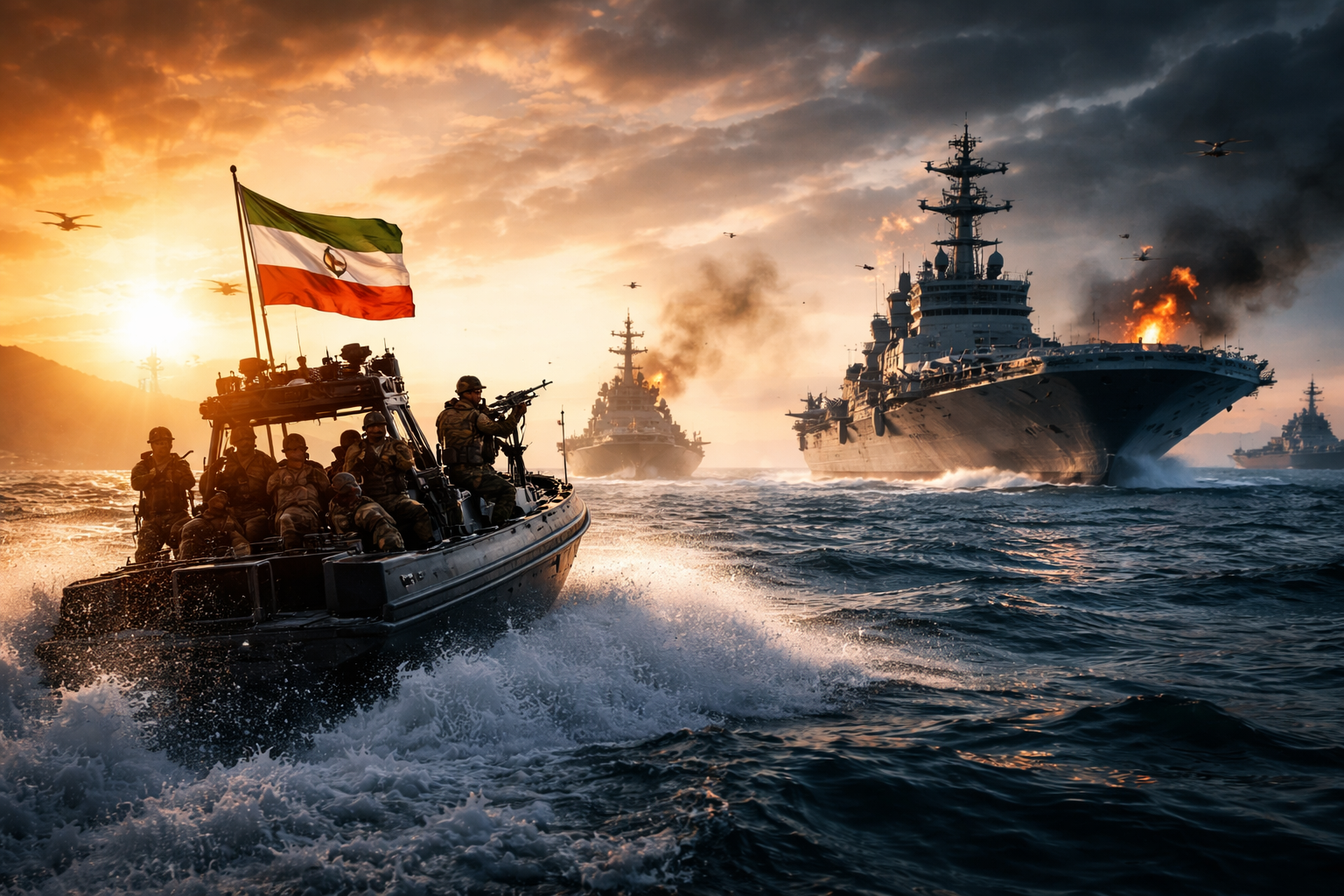
Hormuz Strait Ultimatum Live: 7 Key Updates Apr 2026
hormuz strait ultimatum live updates are moving fast after President Trump issued a 24-hour warning to Iran on April 11, 2026, demanding open access through the Strait of Hormuz. Meanwhile, shipping companies, energy markets, and governments are watching the same question: will Tehran back down, hold the line, or escalate?
Right now, this isn’t just a geopolitical headline. It hits fuel prices, delivery times, and the risk of a wider Gulf conflict. So below you’ll find a clean timeline, the most important signals to watch, and a practical “response tracking” checklist you can use to judge where this is going next.
Quick summary (2–3 sentences)
Trump set a 24-hour deadline on April 11, 2026, warning Iran to reopen access through the Strait of Hormuz or face U.S. action. Commercial shipping has effectively stayed shut since Feb. 28, with over 150 vessels reportedly stranded and war-risk insurance costs soaring. Markets now focus on Iran’s next message, U.S. military posture, and whether backchannel talks in Pakistan can cool the crisis.
Hormuz Strait ultimatum live: the latest update timeline
Last updated: April 12, 2026 (local time). This section is written like a live brief, so you can scan it in a minute and still understand the “real-time strait crisis” picture.
- Update 1 — The ultimatum clock: Trump’s April 11 ultimatum sets a clear window (24 hours, with some reports citing 24–48). That forces Iran to respond publicly or signal through intermediaries.
- Update 2 — Shipping remains heavily disrupted: Reported commercial transits remain near zero compared with the usual ~60 ships per day, while throughput stays far below normal levels.
- Update 3 — Stranded vessel count remains high: Reports continue to cite 150+ ships trapped or delayed around the Gulf approaches, including container lines and tankers.
- Update 4 — Carriers keep suspensions in place: Major operators have not meaningfully resumed regular routes, and many continue rerouting around the Cape of Good Hope, which adds time and cost.
- Update 5 — U.S. posture stays on alert: U.S. officials say they monitor activity closely, and markets read every deployment rumor as a sign of escalation risk.
- Update 6 — Diplomacy runs through Islamabad: Vice President JD Vance’s talks in Pakistan create a parallel track that could produce a face-saving off-ramp for both sides.
- Update 7 — The messaging war continues: The White House disputes some “full closure” claims while still acknowledging major disruption, which suggests a fight over definitions: “closed” vs “selective corridor.”
What did Trump actually demand, and why now?
Trump’s message, as reported across multiple outlets and clips, boils down to one core demand: open access through the Strait of Hormuz for commercial shipping. He framed it as a short-deadline ultimatum and paired it with unusually blunt language about consequences if Iran blocks the route.
Why now? Because the longer the disruption lasts, the more it hardens into a new normal. Also, every additional week compounds costs: higher oil prices, higher insurance, delayed cargo, and more pressure from allies and businesses. In other words, the ultimatum tries to change the pace of the story.
If you want to review the speech context directly, you can compare coverage and clips from the official stream and major news reporting. For the public video record, see the White House address on YouTube.
Is the Strait of Hormuz closed right now?
For most commercial operators, the practical answer remains: it’s close to closed. Some reporting suggests selective passage through an “approved corridor,” but shippers often treat that as functionally unusable when war-risk insurance spikes and the threat environment stays unpredictable.
This is where headlines can mislead you. A government may argue the strait is “not fully closed” if any passage exists. However, shipping markets care about whether they can run schedules safely, insure cargo at sane prices, and protect crews. If they can’t, commerce stops anyway.
For broader background on why this chokepoint matters, see Wikipedia’s overview of the Strait of Hormuz. For the energy angle, the U.S. government’s EIA explains why chokepoints like Hormuz move global prices: EIA: World Oil Transit Chokepoints.
What the ship and insurance numbers are really telling you
Hard numbers often reveal more than speeches. Right now, three metrics matter most for response tracking.
1) Transit volume vs normal
When transits hover near zero (instead of ~60 a day), the market reads it as a continuing blockade effect, regardless of political statements. So even a small uptick in daily passages could move oil prices quickly.
2) Stranded ships and TEU backlog
The reported 150+ stranded vessels isn’t just a dramatic number. It means crews stuck at sea, perishable schedules collapsing, and container equipment piling up in the wrong places. Moreover, the longer ships wait, the harder it gets to “catch up” later because ports and inland transport also hit capacity.
3) War-risk insurance premiums
Insurance acts like a silent vote on danger. Reports of premiums hitting 16x normal signal that even if a corridor exists, insurers price it like a high-risk zone. As a result, many companies choose reroutes that cost more but feel less existential.
Who’s involved: the key players driving the next 48 hours
- U.S. leadership: Trump sets the public deadline and tone, while U.S. defense officials shape real-world deterrence and readiness.
- Iranian decision-makers: Tehran weighs sovereignty claims, deterrence posture, and domestic politics. It also decides whether to answer publicly, quietly, or not at all.
- Pakistan (diplomatic channel): Islamabad’s role matters because it can host messages that neither side wants to deliver directly.
- Global shipping lines: Carrier suspensions and reroutes pressure governments, because trade delays turn into political pain at home.
- Energy markets: Traders react to probabilities, not certainties. So mixed signals can still spike prices.
Background: why Hormuz shocks the world so fast
The Strait of Hormuz works like a narrow gate for energy and commerce. When that gate shuts, ships don’t just “take a small detour.” Instead, they often must choose between high-risk passage or long reroutes that consume fuel, time, and vessel capacity.
Historically, Hormuz tensions flare during cycles of sanctions, military signaling, and regional conflicts. This time, the reported closure since Feb. 28, 2026, has lasted long enough to grind down patience across markets and capitals.
For continuing regional coverage and context as it evolves, you can monitor major desks like BBC News: Middle East and Reuters: Middle East.
Expert perspectives: two ways analysts read this ultimatum
Even with the same facts, analysts split on what the ultimatum is designed to do. Here are the two most common interpretations, and why both can be true at once.
Viewpoint A: It’s a deterrence play to force a quick reopening
Supporters of this view argue the U.S. wants to reestablish freedom of navigation fast, before reroutes and selective corridors become accepted. They also say a short deadline prevents endless “talks about talks.”
However, the risk is obvious: deadlines can box leaders in. If neither side wants to blink, escalation becomes more likely even if both would prefer to avoid it.
Viewpoint B: It’s leverage for diplomacy, not a trigger for war
Others argue the ultimatum sets bargaining leverage while a backchannel works, especially with Vance meeting officials in Islamabad. In this view, the public threat raises the cost of refusal, while private talks search for a formula that each side can sell at home.
Still, diplomacy needs time, and markets don’t like waiting. So even a “talks-first” strategy can keep oil and shipping volatile.
What happens next: 5 signals to watch (response tracking)
- Signal 1 — Iran’s wording: A direct “no,” a conditional “yes,” or silence all carry different escalation risks.
- Signal 2 — Any verified passage: Even a small number of commercial transits can cool markets if insurers and carriers accept them.
- Signal 3 — U.S. deployments and rules of engagement cues: Changes in posture can signal readiness, restraint, or preparation for convoy-style protection.
- Signal 4 — Carrier advisories: When major lines update routing guidance, they often reflect intelligence and insurance realities, not just politics.
- Signal 5 — Energy price reaction: Price spikes can pressure governments to act, because voters feel fuel costs quickly.
Implications: what this could mean for you (even far from the Gulf)
First, fuel prices can rise fast, and that filters into transport and food costs. Next, shipping delays can hit everything from car parts to electronics, because reroutes stretch schedules and tighten container availability.
Also, insurance and security costs don’t stay in the Gulf. They spread across supply chains, which means companies often pass them on. Finally, any military clash risks broader instability, which markets tend to price in before it happens.
FAQs
What is Trump’s Hormuz ultimatum?
Trump demanded Iran reopen access through the Strait of Hormuz within about 24 hours (some reports say up to 48), warning of major consequences if Iran refuses.
Is the Strait of Hormuz closed right now?
For most commercial shipping, it remains effectively closed or unusable due to blockade conditions, near-zero transit levels, and extremely high war-risk insurance costs.
How many ships are stranded?
Reports cite 150+ vessels stranded or heavily delayed, including large tankers and container ships.
Why did the strait close in the first place?
Reporting ties the disruption to a naval blockade environment amid escalating U.S.–Iran tensions. In practice, shipping stopped because risk and cost jumped beyond what carriers could accept.
What happens if Iran ignores the ultimatum?
Trump says the U.S. will act to reopen the strait “with or without” Iran. The exact form of action could range from escorted transits to direct military strikes, depending on events.
Are oil prices rising?
Yes. Traders typically push prices up when a major chokepoint loses capacity, especially when transit volume collapses and the end date stays unclear.
Who is negotiating in Pakistan, and why does it matter?
Vice President JD Vance reportedly met Iranian and Pakistani officials in Islamabad. Pakistan can serve as a channel for messages that reduce public embarrassment while still enabling compromise.
Can ships pass through any corridor right now?
Some reports mention selective passage. However, many operators still treat the route as unworkable if insurers price it like an active war zone.
Conclusion: where the “live” story really stands
The hormuz strait ultimatum live story now hinges on one thing: whether any credible de-escalation step appears before the deadline politics harden. If you see verified commercial passages, softer official language, and carrier guidance shifting back toward normal routes, the crisis may cool. On the other hand, if rhetoric intensifies while transits stay near zero, risk stays elevated.
Share this with someone who needs to know, especially if they follow energy prices, shipping, or global security. Also, what’s your read on the next 24 hours—diplomatic off-ramp or escalation? Drop a comment below and bookmark this page for future updates.