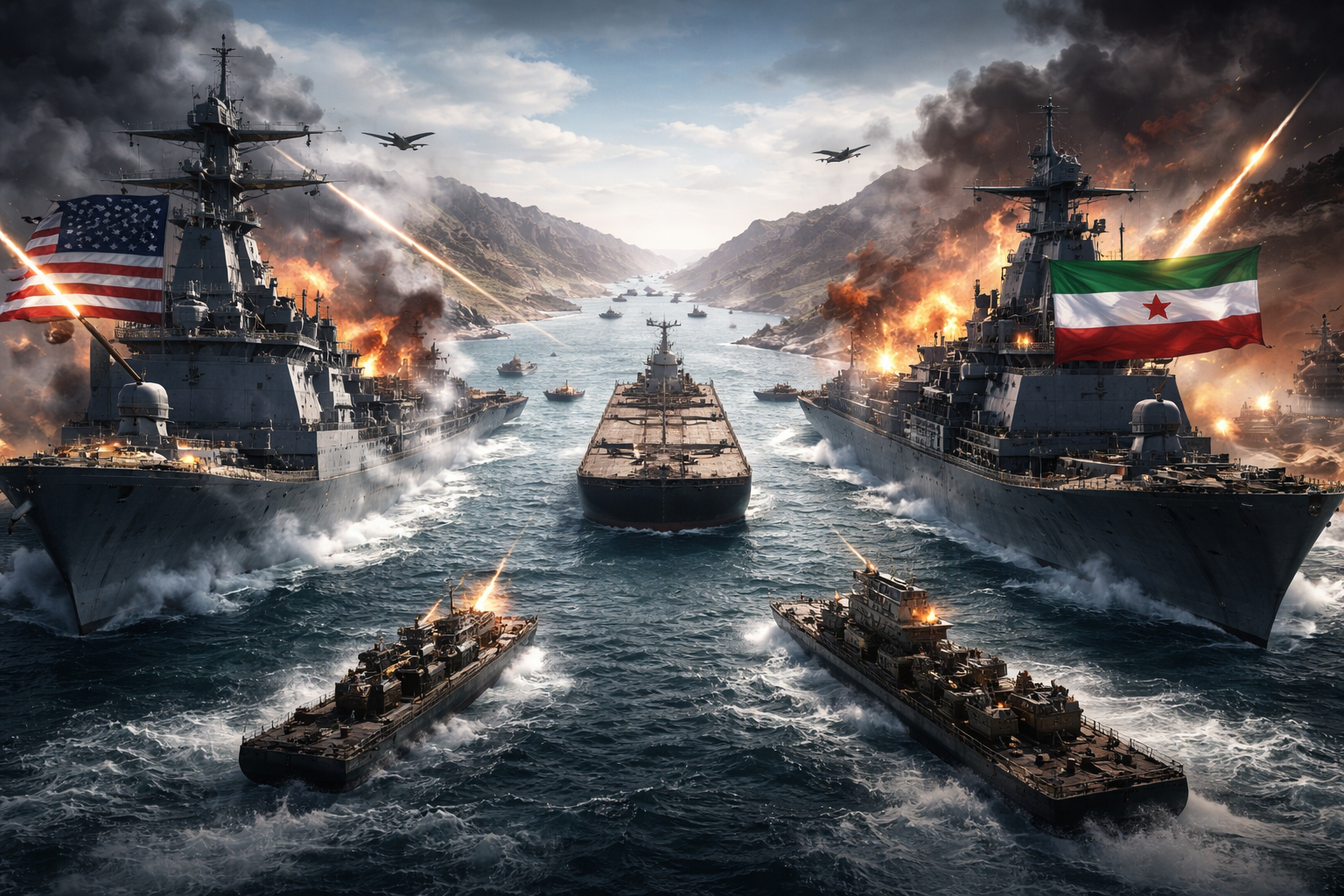
Strait Blockade Impact: 7 Key Shocks to Oil, Shipping
Strait blockade impact is no longer an abstract risk for markets—it’s a live stress test for the global economy. After the collapse of Islamabad peace talks on April 14, the US announced a naval blockade aimed at Iranian-linked shipping, while Iran keeps applying pressure across the same narrow waters. As a result, oil, shipping, and insurance markets are reacting in real time—and your fuel bill and imported goods prices can follow fast.
Quick summary (today’s key facts)
The US blockade targets ships tied to Iranian ports, not every vessel in the Strait of Hormuz. However, even “selective” enforcement can still choke trade because shipowners and insurers price the entire route as a war-risk zone. With about one-fifth of global oil trade moving through Hormuz, small disruptions can trigger big price swings and supply delays.
Straight blockade impact: what’s happening right now
First, it helps to separate headlines from mechanics. The current action is best described as a US-led interdiction effort focused on Iranian-linked maritime flows, not a declared shutdown of the whole strait. However, markets often treat “partial” disruption like a near-total risk event.
Meanwhile, Iran’s leverage comes from geography and capability. The Strait of Hormuz is a tight chokepoint, and commercial traffic has limited room to reroute quickly. So, when military forces increase boardings, warnings, or strikes, ship operators start delaying sailings even before any ship gets stopped.
Who is doing what
- United States: Intercepts and inspects vessels linked to Iranian ports and revenue streams.
- Iran: Signals it can disrupt safe passage through threats, selective attacks, or toll-style coercion.
- Gulf producers: Try to keep exports moving while protecting infrastructure and loading terminals.
- Shipowners and insurers: Reprice risk fast, sometimes pulling coverage entirely.
Where the pressure concentrates
The Strait of Hormuz sits between Iran and Oman, connecting the Persian Gulf to the Arabian Sea. It’s a short stretch of water, but it carries huge volumes of crude, refined products, and LNG-related traffic. For background on why this chokepoint matters, see Wikipedia’s overview of the Strait of Hormuz.
How a “selective blockade” can still freeze shipping
On paper, a targeted blockade sounds contained. In practice, it can spread quickly because shipping runs on schedules, financing, and insurance. If any one of those breaks, cargo stops moving.
1) Boarding risk creates congestion, not just delays
Next, consider vessel behavior. When captains expect inspections, they slow steam or hold position. That creates traffic bunching, longer queues near approaches, and more near-miss risk. In crowded waters, even a small incident can escalate because everyone operates on high alert.
2) “Compliance checks” can become commercial deal-breakers
Also, cargo owners worry about detention. If a ship gets held for questioning, buyers may miss refinery runs, delivery windows, or contract deadlines. As a result, traders often avoid the route entirely, even if they think they can legally pass.
3) The insurance market can stop trade faster than the navy
Here’s the under-covered part: insurance can turn a navigable strait into a no-go zone overnight. War-risk premiums jump first. Then underwriters tighten terms. Finally, some insurers pause coverage because they can’t price the tail risk.
Without war-risk cover, many shipowners simply cannot sail. Banks, charterers, and ports often require valid policies before loading or entering terminals. So, the real choke can come from paperwork, not missiles.
For a broader look at how disruptions hit trade and developing economies, the UNCTAD website is a useful reference point for shipping and trade risk analysis.
Oil market shock: why prices jump so fast
Oil reacts to fear because it’s priced on the marginal barrel. If traders think a key route could lose capacity, they buy futures now. That pushes spot-linked prices up quickly, even before a confirmed supply loss.
Why Hormuz moves the whole market
Roughly 20–25% of global oil trade passes through Hormuz, which means a localized disruption becomes a global pricing event. Even if some barrels still move, the market has to assume worse scenarios until it sees steady, insured sailings again.
Three price paths markets are weighing
- Short disruption (days): A sharp spike, then partial pullback if shipping resumes.
- Rolling disruption (weeks): Sustained $100+ conditions with repeated jumps on new incidents.
- Severe disruption (weeks to months): Potential surge toward levels associated with historic oil shocks, plus rationing risks in some importing states.
For official US energy data and market explanations, you can cross-check key indicators on the US Energy Information Administration (EIA) site.
Global shipping effects: what changes first in supply chains
Oil grabs attention, but containerized trade and bulk cargo feel pain too. When risk rises, operators reroute, slow down, or skip ports. That adds time and cost, and it can break “just-in-time” inventory planning.
What ship operators are dealing with
- Route uncertainty: Constant updates to security advisories and naval notices.
- Higher operating costs: Hazard pay, security teams, and fuel from slower steaming or diversions.
- Port complications: Delays at load ports as terminals tighten security or pause operations.
- Contract fights: Disputes over force majeure, delay penalties, and who pays extra premiums.
Why “available supply” doesn’t equal “deliverable supply”
Importers can look at global production and still miss the core problem: logistics. If tankers can’t get insured, crewed, scheduled, and cleared, then barrels on paper don’t reach refineries. Therefore, the market tightens even if wells keep pumping.
Who gets hit hardest (and why some countries feel it first)
Some countries can absorb higher prices for a while. Others can’t. The biggest risks show up where budgets already strain and fuel subsidies eat public funds.
Most exposed groups
- Energy importers with weak currencies: Their fuel bill rises twice—once in dollars, then again in local currency.
- High-debt developing economies: Higher transport and food costs can trigger political stress.
- Manufacturing hubs dependent on shipping: Input delays hit factories and exports.
- Gulf producers themselves: They face infrastructure risk and export bottlenecks, even with high prices.
Why the “hormuz oil crisis” spreads into food prices
Fuel affects almost everything. It powers farm equipment, fertilizer production, refrigeration, and trucking. So, when energy costs rise, food inflation often follows with a lag. That’s why a hormuz oil crisis quickly becomes a cost-of-living story far beyond the Middle East.
Background: why this flare-up matters more than past scares
Markets have seen Hormuz tensions before. However, this episode combines three pressure points at once: naval enforcement, regional strikes on energy sites, and insurance pullback risk. That mix creates a tighter “margin for error” than a simple war-of-words.
It also lands at a time when global supply chains still run lean. Companies carry fewer inventories than they did decades ago. As a result, delays show up faster on shelves, factory lines, and freight rates.
Expert perspectives: competing views on what the blockade achieves
Analysts split into two camps, and both have logic.
Viewpoint 1: the blockade increases leverage without full war
Supporters argue the US can squeeze revenue tied to Iranian maritime flows while keeping general navigation open. In that view, targeted interdictions can pressure Tehran back to talks without triggering a full regional shutdown.
Viewpoint 2: “targeted” actions still invite retaliation and misread signals
Critics warn the strait is too crowded and too politically charged for frequent boarding actions. One misidentified vessel, drone, or fast-boat encounter could escalate quickly. Meanwhile, Iran can respond asymmetrically, raising risk across the whole route even if it can’t “close” it cleanly.
For rolling coverage and regional context from a major newsroom, follow Al Jazeera’s Iran topic page and BBC News updates on Iran.
What happens next: 5 signposts to watch in the next 72 hours
If you’re trying to understand where this goes, focus on signals that change real-world flows, not just rhetoric.
- Insurance decisions: If major underwriters pause cover, shipping slows sharply.
- Verified boarding incidents: A few detentions can cause many cancellations.
- Gulf export routing: Any shift to pipelines or alternative ports signals prolonged disruption.
- Infrastructure security: New strikes can move prices more than speeches.
- Diplomatic off-ramps: Mediation offers matter if they include enforceable navigation guarantees.
Two realistic scenarios
Scenario A: Controlled pressure. The US keeps inspections limited, Iran calibrates responses, and shipping resumes with higher premiums. Prices stay elevated but stabilize.
Scenario B: Compounding disruption. A maritime incident, fresh strikes, or insurance withdrawal pushes operators to pause transits. In that case, global shipping effects intensify quickly, and energy costs bleed into broader inflation.
FAQs
1) What exactly is the US blockade doing?
The US is focusing on intercepting and inspecting vessels linked to Iranian ports and revenue channels. It aims to restrict Iranian-linked flows while allowing other traffic to pass.
2) Is the Strait of Hormuz fully closed?
No. However, a partial disruption can still feel like a closure if insurers, shipowners, or ports refuse to operate under war-risk conditions.
3) How much oil depends on this route?
About 20–25% of global oil trade moves through the Strait of Hormuz, which is why even small disruptions move prices.
4) Why do insurance costs matter so much?
Because ships need war-risk coverage to sail, load, and finance voyages. If insurers raise rates sharply or pull coverage, cargo stops moving even without a physical blockade.
5) Which countries face the biggest immediate pain?
Energy-importing countries with weaker currencies and high debt burdens often feel it first. They can see faster inflation in fuel, transport, and food.
6) Can countries reroute oil around Hormuz?
Only partly. Some pipelines and alternative ports help, but they can’t replace the full volume that normally moves through the strait.
7) Does this increase the risk of a wider war?
Yes, the risk rises when naval boardings, drones, and fast-moving craft operate in congested waters. Miscalculation becomes more likely under stress.
8) What should ordinary consumers watch?
Track local fuel prices, shipping surcharges, and official alerts about supply disruptions. Those signals usually show up before broader price increases in goods.
Conclusion: why this story matters beyond the Middle East
The strait blockade impact isn’t limited to naval strategy or regional politics. It can hit energy prices, shipping schedules, and inflation almost everywhere. For now, the biggest swing factor isn’t just oil supply—it’s whether ships can operate safely, legally, and insured.
If you found this breakdown helpful, share it with someone who follows oil or shipping. Also, what do you think happens next—controlled pressure or compounding disruption? Drop a comment and bookmark this page for updates.