Iran Recloses Hormuz Live: 7 Key Updates Right Now
iran recloses hormuz live updates are moving fast after Iran abruptly tightened control over the Strait of Hormuz again, less than a day after officials said commercial traffic could resume. The reversal raises immediate questions for ship crews, energy markets, and anyone watching the risk of a wider US-Iran clash.
Meanwhile, US officials say the naval blockade on Iranian ports remains in place, and Iran’s IRGC says ships need Iranian approval to pass. With tankers already turning back, the world’s most important oil chokepoint is back at the center of a high-stakes standoff.
Quick summary: what we know right now
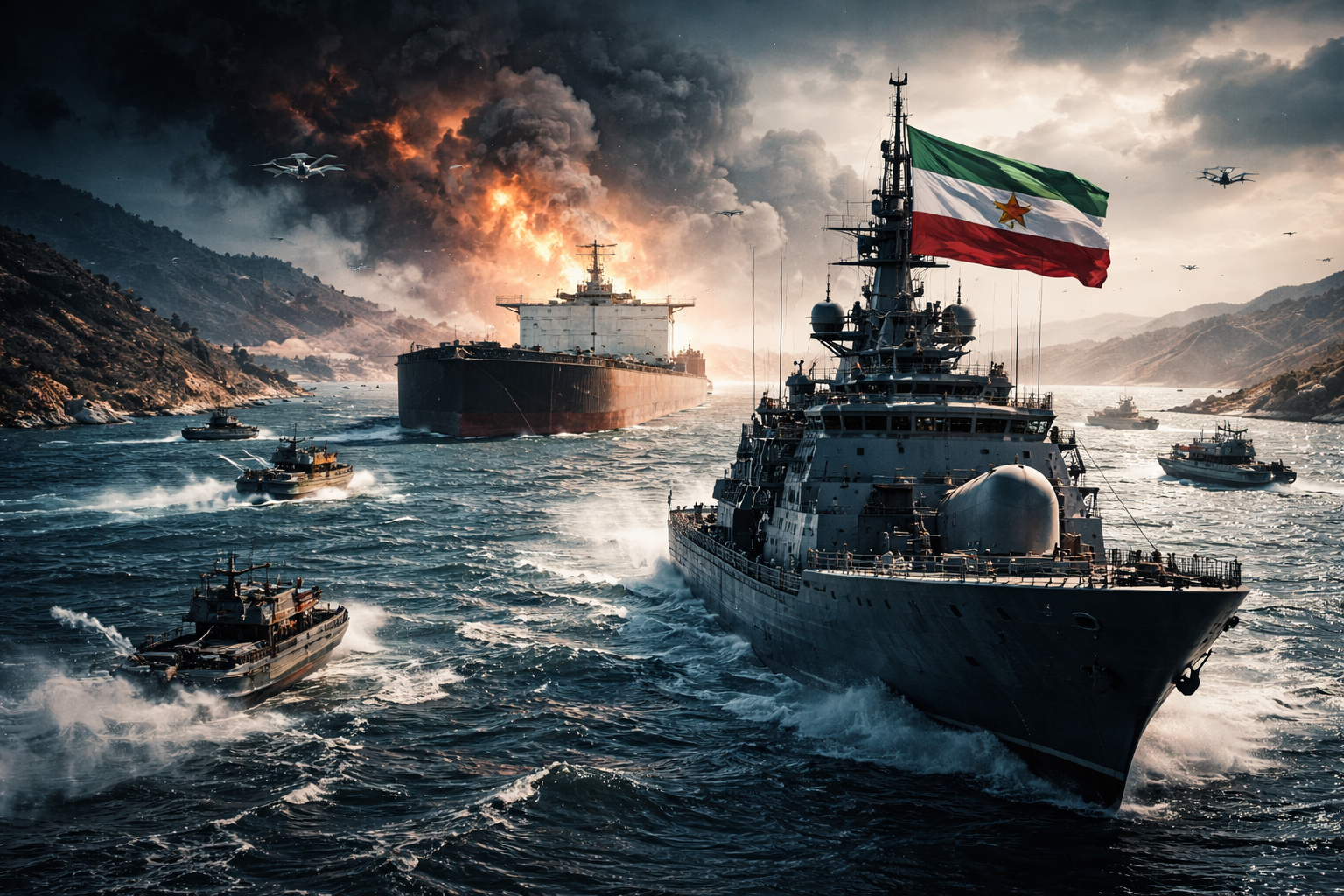
Iran has reimposed restrictions on transit through the Strait of Hormuz, with the IRGC stating it has “full control” and warning ships not to approach without authorization. Reports say IRGC gunboats fired on at least two vessels and more than 20 ships executed U-turns after the renewed closure.
At the same time, President Donald Trump has said the US naval blockade of Iranian ports will stay “in full force” until negotiations reach what he called “100% completion,” keeping the pressure on Iran even after the brief reopening.
iran recloses hormuz live: 7 key updates (April 19, 2026)
- 1) The reversal happened in under 24 hours. Iran reopened the strait on Friday, then reimposed restrictions on Saturday.
- 2) Iran links the move to the US blockade. Iranian military messaging points to Trump’s refusal to lift the naval blockade.
- 3) IRGC says it has “full control.” In practice, that means stricter enforcement and higher risk for ships that test the rules.
- 4) Authorization is now required. Reports describe passage depending on Iranian approval and toll payment.
- 5) Tanker U-turns are already happening. More than 20 ships reportedly altered course after the Saturday announcement.
- 6) Gunfire has been reported. IRGC gunboats reportedly fired on at least two vessels, a sharp escalation from threats alone.
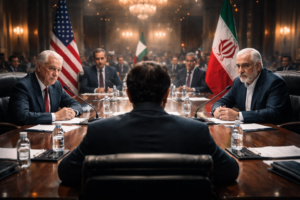
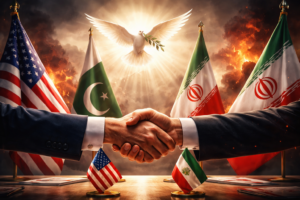
- 7) Diplomacy is still alive, but fragile. Pakistan is mediating talks in Islamabad, with no announced breakthrough yet.
What happened: Iran reopened, then closed again
On Friday, Iran’s foreign minister said the Strait of Hormuz was “completely open” for commercial traffic. That message landed as a possible de-escalation signal during a 10-day Israel–Hezbollah ceasefire window.
However, the relief didn’t last. By Saturday, Iran reversed course and the IRGC declared tighter control over the strait, warning vessels about approaching without Iranian approval. You can track broader regional reporting through Reuters Middle East Coverage as new details emerge.
Why Iran says it acted: the “US blockade” trigger
Iran’s stated reason centers on the US naval blockade affecting Iranian ports and coastal areas. Iranian messaging frames the blockade as a direct economic squeeze, not a separate issue from Hormuz.
At the same time, Trump’s public stance has been blunt: the blockade stays in place until negotiations reach “100% completion.” From Iran’s view, reopening Hormuz without any easing of US pressure looks one-sided, so it responded with leverage it knows the world can’t ignore.
What “strait closure irgc” control means in practice
The phrase “full control” can sound political, but it has clear on-the-water effects. First, the IRGC can force traffic to slow, stop, or turn back by positioning fast boats, deploying patrols, and issuing direct radio warnings.
Second, Iran can introduce a permission system. Reports say vessels now need authorization and may face toll demands to transit. That creates uncertainty for shipowners and insurers, because the rules can change ship to ship.
Third, enforcement raises the risk of miscalculation. Even a warning burst of gunfire can trigger panic maneuvers, which is dangerous in a narrow, crowded corridor.
Are ships passing through right now?
Based on current reports, normal transit is effectively disrupted. Multiple vessels have reportedly executed U-turns since Saturday, and Iran has warned that ships attempting passage without approval could be treated as targets.
That doesn’t always mean “zero movement,” because some ships may attempt to wait offshore, seek clearance, or reposition for safety. Still, the key point for readers is simple: traffic is no longer predictable, and unpredictability alone can choke trade.
us blockade response: what the US is doing (and why it matters)
The US naval blockade targets Iranian ports and coastal maritime access. In other words, it aims to restrict Iran’s ability to move goods by sea, even if third-country ships want to trade.
US officials have indicated American forces are enforcing those restrictions and have turned back vessels in the area. For the official US policy posture and statements, readers often check the US State Department Iran page, although operational details typically come through military channels and breaking reporting.
Critically, the blockade and the Hormuz closure create a pressure loop. The US squeezes Iran’s ports; Iran squeezes the strait. Then global markets absorb the shock.
Tanker U-turns: what ship trackers and operators watch next
When tankers turn around, it’s not just symbolism. It’s an early signal that crews and companies believe the risk is real, not rhetorical.
Next, operators watch three things. First, do insurers raise war-risk premiums again? Second, do charter rates spike because ships sit idle longer? Third, do companies reroute or delay cargoes, which can ripple into fuel and shipping costs worldwide.
Even if the closure loosens later, the fear can linger. After all, shipping decisions get made hours and days ahead, not minute by minute.
Why the world cares: Hormuz is a global choke point
The Strait of Hormuz carries roughly one-third of the world’s seaborne oil trade by widely cited estimates. So when Iran tightens control, the shock doesn’t stay in the Gulf.
As a result, oil prices can jump on supply risk alone, even before any physical shortage hits. Then, higher shipping and insurance costs can flow into everyday prices, including fuel, flights, and delivered goods.
For background on the waterway’s geography and strategic role, see Wikipedia: Strait of Hormuz.
How this connects to the Israel–Hezbollah ceasefire
The timing matters. Iran’s brief reopening came as a 10-day Israel–Hezbollah ceasefire began, which created a short window where regional actors could signal restraint.
However, the Hormuz standoff revolves around US-Iran maritime pressure, not only the Israel–Lebanon front. So even if the ceasefire holds, the strait crisis can still escalate on its own track.
Expert perspectives: two ways analysts read this move
Viewpoint 1: Iran is using economic leverage, not seeking a full war
Many analysts argue Iran’s goal is to force negotiations by raising costs for the US and US-aligned economies. Under this view, the IRGC’s strict control is a coercive tool—dangerous, but designed to stop short of a sustained military exchange.
Still, even “controlled” coercion can go wrong fast at sea. A single collision, injury, or sinking could change the calculus overnight.
Viewpoint 2: The US blockade increases the chance of escalation
Others focus on the blockade mechanics. A blockade is not just a sanction; it’s a physical enforcement posture. That raises the odds of close encounters, mistaken identity, and rapid escalation.
Additionally, both sides may feel they can’t back down publicly. That makes mediation and face-saving off-ramps more important than ever.
For wider context and rolling updates from multiple bureaus, you can compare coverage via the AP News Iran Hub and BBC Middle East News.
What happens next: scenarios to watch in the next 24–72 hours
First, watch whether Iran formalizes a “permission” process that some ships can use. If a few tankers transit under approval, markets may calm slightly, even if the situation stays tense.
Second, monitor whether the US expands enforcement or issues new warnings to shipping companies. Any sign of US naval movement or new red lines can reshape risk calculations quickly.
Third, track Pakistan’s mediation. If negotiators can sequence steps—such as a limited easing of blockade conditions in exchange for a monitored reopening—both sides could claim progress without surrendering leverage.
Finally, keep an eye on accidents and misunderstandings. In crowded sea lanes, the most dangerous outcome sometimes starts with a small incident, not a major decision.
FAQs
Why did Iran close the Strait of Hormuz again after opening it?
Iran linked the renewed closure to the US refusing to lift its naval blockade of Iranian ports. Iran’s leadership and the IRGC framed the blockade as the trigger for reimposing restrictions.
What is the “US naval blockade,” in simple terms?
It’s a US effort to stop or restrict ships from entering or leaving Iranian ports and coastal areas. The US enforces it with naval presence and turn-backs, separate from Hormuz itself.
Is the Strait of Hormuz fully closed right now?
Reports suggest normal passage is heavily disrupted. Iran says ships need authorization to transit, and many vessels have reportedly turned around rather than risk an encounter.
Did the IRGC really fire on vessels?
Reports say IRGC gunboats fired on at least two vessels. So far, reporting indicates damage but no confirmed injuries, although details can change as more information comes out.
How does this affect oil prices and gas costs?
Because a huge share of seaborne oil passes through Hormuz, any disruption can push prices up on fear and delay alone. Then, higher shipping and insurance costs can filter into fuel prices.
What does “authorization and toll payment” mean for ships?
It suggests Iran may require pre-clearance to transit and may charge fees. Even if some ships comply, the uncertainty can still slow traffic and raise costs.
What are “tanker u-turns,” and why do they matter?
Tanker U-turns happen when ships reverse course instead of entering a risk zone. They matter because they signal real operational disruption, not just political statements.
Could this turn into a military conflict?
The risk is higher than normal because both sides have forces in close proximity and have issued strong warnings. Still, diplomacy and mediation efforts could reduce the chance of escalation if they produce a workable compromise.
Conclusion
Iran’s rapid decision to re-close the Strait of Hormuz puts the global economy on edge again, and it raises the stakes in the US blockade standoff. For now, the most important signals will come from ship movements, enforcement actions at sea, and whether diplomacy in Islamabad produces a face-saving path to de-escalation.
Share this with someone who needs to know, especially if they track energy prices or global shipping. Also, what’s your take? Drop a comment below on what you think happens next—and bookmark this page if you want more iran recloses hormuz live updates as new details break.