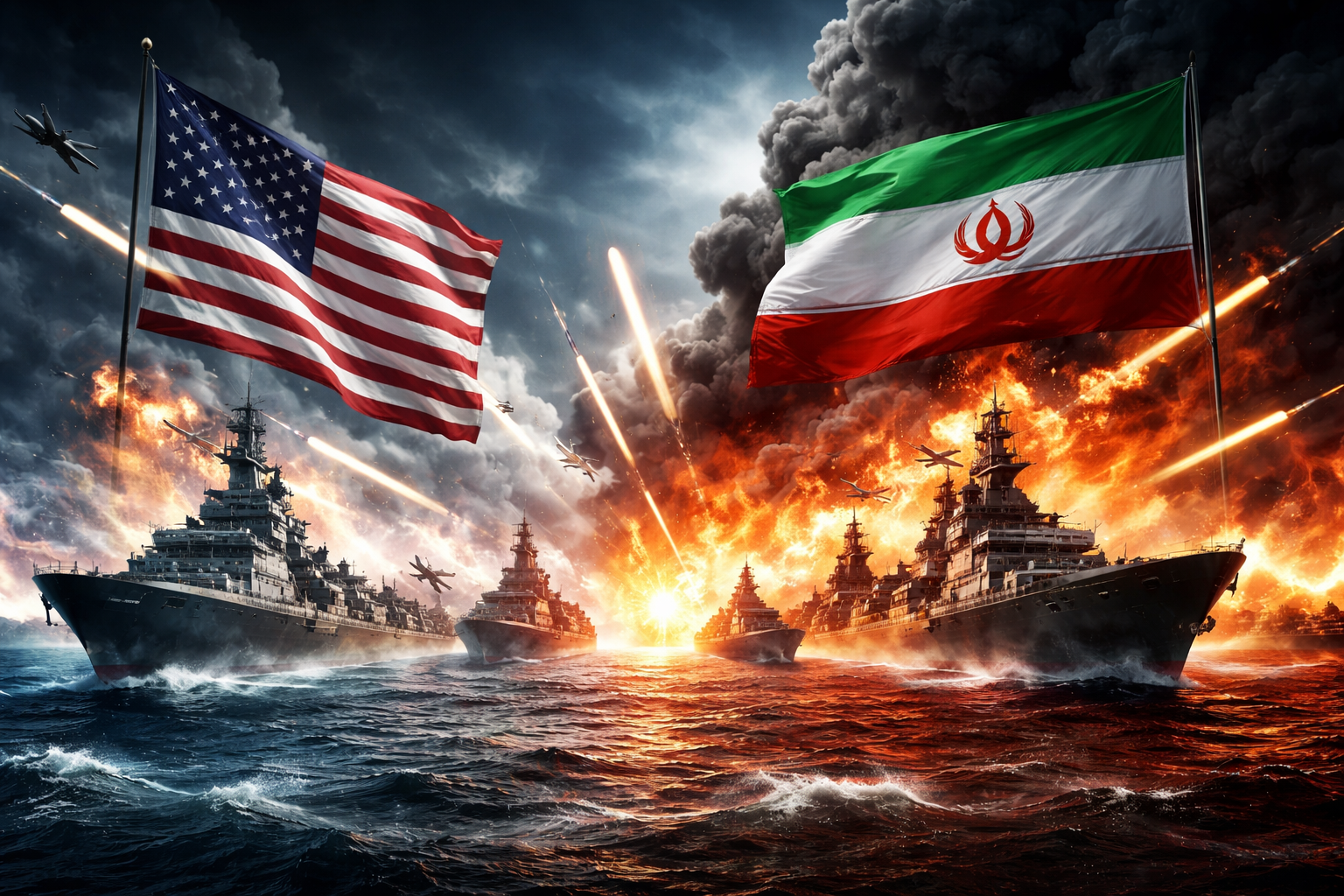
US Iran Blockade Live: Day 3 Latest in 5 Points
us iran blockade live updates are moving fast as the U.S. Navy tightens control around Iranian ports and the Strait of Hormuz. Now that the blockade has entered a new day, the big question is simple: does this pressure Iran toward talks, or does it widen the war into more choke points that hit global trade and oil?
As of early April 15, 2026 (local time in the region), reporting from major outlets says the U.S. has kept ships from moving in and out of Iranian ports, while Iran warns of retaliation and outside powers weigh in. For the latest confirmed details, see ABC News live updates and CBS reporting on the blockade day-by-day.
Quick summary (2–3 sentences)
The U.S. Navy began enforcing a blockade of Iranian ports on April 13 at 10 a.m. ET, aiming to stop ships entering or leaving ports connected to the Arabian Gulf and Gulf of Oman. In the first 24 hours, outlets reported that no ships passed the blockade and several merchant vessels turned around after U.S. warnings. Meanwhile, Iran threatened retaliation, and China and Russia criticized the move as risky.
US Iran blockade live: what we know right now
1) What happened: the blockade started April 13
U.S. forces began enforcing a blockade on April 13 at 10 a.m. ET, targeting maritime traffic tied to Iranian ports in the Arabian Gulf and Gulf of Oman. According to reporting cited by major U.S. networks, the U.S. says it aims to pressure Iran after talks in Pakistan did not produce an agreement on key issues, including Iran’s nuclear program and control of access around the Strait of Hormuz.
2) What the early results show: ships turned back
So far, the most concrete early data point is that traffic appears to have slowed sharply. Reporting indicates no ships crossed through in the first 24 hours, and at least six merchant ships turned around after U.S. orders. That matters because it signals the U.S. can enforce warnings quickly, even before any broader, long-term pattern becomes clear.
3) Who’s enforcing it: large U.S. naval footprint
U.S. Central Command has described a major commitment of forces, with more than 10,000 U.S. service members involved and numerous naval assets operating in the region. CBS has reported that a wide set of ships support the effort, including the USS Tripoli and additional Navy vessels positioned to monitor and challenge traffic.
4) What Iran says: “no ports are safe” warnings
Iran has framed the blockade as an act that could trigger broader escalation. In particular, Iranian messaging has warned that Gulf ports could face danger if the blockade continues. That kind of warning is designed to raise the cost for U.S. partners in the region and to inject uncertainty into commercial shipping decisions.
5) The biggest risk: choke points beyond Hormuz
Even if the Strait of Hormuz crisis stays contained, Iran could seek leverage elsewhere. Some reporting points to the possibility that Iran-aligned forces, including the Houthis, could threaten shipping around Bab al-Mandeb, a separate global bottleneck. Fox has highlighted that risk in its coverage of potential “new chokepoint” pressure tied to the conflict dynamics: Fox coverage on Bab al-Mandeb concerns.
What’s driving this blockade (the “why now?”)
Several forces appear to be converging at once. First, the U.S. wants to force a change in behavior after negotiations in Pakistan reportedly failed to deliver a breakthrough. Second, the Strait of Hormuz carries a significant share of global oil flows, so both sides understand that even the threat of disruption can move markets and reshape diplomacy.
At the same time, U.S. officials have linked the pressure campaign to broader war goals, including demands around Iran’s nuclear program. ABC has also reported significant human costs in the conflict so far, including hundreds of U.S. troops wounded, which increases political pressure to show progress or a path to de-escalation.
Background and context: the Hormuz Strait crisis in plain terms
The Strait of Hormuz is narrow, busy, and strategically vital. It serves as a gateway between the Persian Gulf and the open ocean, and it routinely carries energy exports that affect global prices. Because of that, even limited disruption can ripple into higher shipping insurance costs, delayed cargoes, and price spikes that show up quickly at the gas pump.
For a wider conflict-risk framing beyond daily headlines, the International Crisis Group tracks Hormuz-related flashpoints and escalation triggers here: Crisis Group’s Strait of Hormuz flashpoints analysis.
Expert perspectives and competing viewpoints
U.S. view: maximum pressure to force talks
From Washington’s perspective, a port-and-shipping squeeze can create leverage without a larger ground escalation. Supporters argue a blockade may push Iran back toward negotiations by cutting revenue and restricting military resupply routes.
Iran’s view: deterrence and retaliation signaling
From Tehran’s perspective, the blockade looks like an economic attack that threatens sovereignty and regional influence. As a result, Iran’s warnings about Gulf port safety and broader maritime retaliation aim to deter the U.S. by raising the potential cost for allies and global commerce.
China and Russia: “dangerous and irresponsible” framing
Internationally, China has criticized the blockade as destabilizing, while Russia has engaged China in discussions on the crisis, according to reporting summarized by major broadcasters. If major powers harden their positions, that could narrow the diplomatic runway for a quick deal.
BBC has covered elements of the China–Russia response and wider tensions in its video reporting: BBC video on China–Russia reaction.
What happens next (and what to watch today)
- Ship movement signals: Watch for whether more commercial vessels turn back, reroute, or attempt passage with escorts.
- Talks timeline: Pakistan has been discussed as a host for renewed talks, so any new meeting date could change risk fast.
- Sanctions and banking pressure: The U.S. has signaled renewed sanctions on Iranian oil, which could tighten enforcement beyond the water.
- Mine-clearing operations: Reports of mine-clearing activity can signal expectations of sabotage or maritime attacks, even if none are confirmed.
- Spillover fronts: Keep an eye on Hezbollah–Israel dynamics and Red Sea shipping threats, since they can expand the crisis beyond Iran’s coastline.
FAQs
What is the US Iran blockade?
The U.S. Navy is stopping ships from entering or leaving Iranian ports, aiming to pressure Iran over demands tied to the Strait of Hormuz and wider war issues.
When did the U.S. start enforcing the blockade?
Reporting says the U.S. began enforcement on April 13 at 10 a.m. ET.
Did any ships pass the blockade in the first day?
Reports said no ships passed in the first 24 hours, and six merchant vessels turned around after U.S. warnings.
How many U.S. troops are involved in enforcing it?
Coverage citing U.S. officials puts the force at more than 10,000 service members supporting blockade operations.
What is the Hormuz Strait crisis and why does it matter?
The Strait of Hormuz is a key global shipping chokepoint for energy exports. If traffic slows or stops, oil and shipping costs can rise quickly worldwide.
What does “iran port blockade” mean in practice?
It means ships face warnings, interception, or forced turnarounds if they attempt to enter or depart Iranian ports covered by the U.S. enforcement zone.
Could the conflict spread to Bab al-Mandeb?
It could. Some reporting suggests Iran may lean on partners like the Houthis to threaten shipping there, which would widen global trade disruption risks.
Are peace talks still possible?
Yes, but the window looks uncertain. Reports say recent talks in Pakistan failed, yet officials have hinted at possible renewed efforts.
Conclusion
The us iran blockade live story now sits at a turning point: the U.S. appears to be enforcing the port squeeze effectively, but Iran’s retaliation threats could expand the conflict into new waterways. Meanwhile, outside powers like China and Russia are already shaping the diplomatic narrative, which could either push restraint or harden positions.
Bookmark this page for updates, and share this with someone who needs to know. Also, what’s your take: does a blockade force talks, or does it make escalation more likely? Drop a comment below.