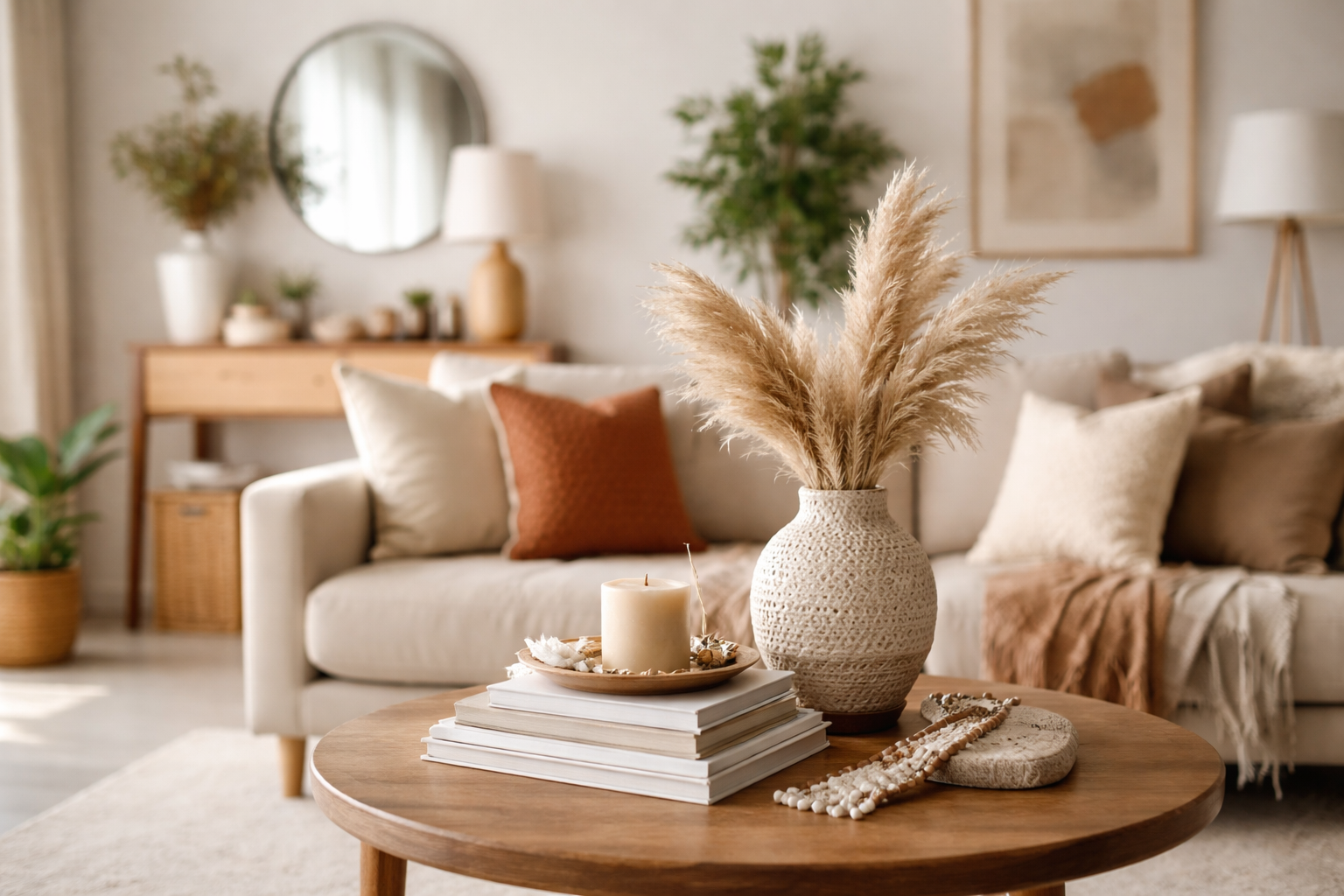
Home Decor Buying Guide: Styles, Budgets, Trends (and How to Actually Shop Without Regrets)
If you’ve ever added 12 “cute” decor items to your cart… then frozen because you’re not sure they’ll work together, you’re not alone. A lot of people don’t struggle with taste—they struggle with decision chaos: mismatched styles, wrong sizes, impulse buys, and a budget that somehow disappears on “little things.”
This home decor buying guide is built for real life: apartments, shared spaces, first homes, tight budgets, and the very normal desire to make your place feel pulled-together without spending like a designer. You’ll get a practical way to choose a style, plan a budget, shop smarter (online and in-store), and use 2026 trends without letting them take over your space.
Quick Answer: How to Buy Decor the Smart Way
Avoid buyer’s remorse by measuring first, picking one clear style + color palette, and budgeting 60–70% for anchor pieces (rug/sofa/lighting) and 30–40% for accessories. Start by “shopping your home” for free upgrades, then buy slowly—prioritizing quality where it matters and saving on small accents.
Before You Buy Anything: The 10-Minute Prep That Saves You Hundreds
Most decor mistakes come from skipping the boring stuff. The funny part? The boring stuff is what makes rooms look expensive.
1) Measure like you mean it
Don’t “eyeball it.” That’s how you end up with art that looks like a postage stamp, rugs that float in the middle of the room, and shelves that don’t fit the nook you bought them for.
- Walls: width and height of the space where art/mirrors will go
- Floors: the area you want the rug to cover (and where furniture legs will sit)
- Surfaces: console depth, shelf length, coffee table size
- Doorways + elevators: if you’re buying furniture (future-you will thank you)
Pro move: keep a running note on your phone with measurements for each room plus a few photos in daylight.
2) Choose a “room goal” (not a shopping goal)
Instead of “I need decor,” pick a result:
- “I want my living room to feel calmer and less cluttered.”
- “I want my bedroom to feel warmer and more grown-up.”
- “I want my entryway to look intentional, not like a drop zone.”
That one sentence becomes your filter when you’re tempted by random trendy stuff.
3) Shop your home first (yes, really)
This is the fastest, cheapest glow-up. Before buying anything, do a 20-minute sweep:
- Move a vase from the kitchen to the bathroom
- Stack two coffee-table books and add a candle on top
- Swap pillow covers between rooms
- Group small objects on a tray instead of scattering them
When you “shop your home,” you also learn what you truly need (usually: a bigger rug, better lighting, and less clutter).
Home Decor Buying Guide: Pick a Style You Can Actually Stick To
If you’ve been pinning everything from minimalist modern to colorful boho to vintage cottage… you don’t need a new personality. You need a structure.
Start with one primary style + one supporting style
A simple formula that keeps you cohesive without being boring:
- Primary style (70%): the “default” look of your big items
- Supporting style (30%): the personality layer (textures, art, accents)
Beginner-friendly decor styles (and what to buy first)
If you’re new to decorating, these are easy to execute without a showroom budget:
Modern
- Look: clean lines, fewer items, calm palettes
- Buy first: a simple rug, structured sofa, oversized art
- Easy win: swap busy patterns for texture (linen, boucle, matte ceramics)
Bohemian (Boho)
- Look: layered textures, global patterns, relaxed vibe
- Buy first: a warm rug, mixed pillows, baskets, plants
- Easy win: choose 2–3 core colors so it reads “curated,” not chaotic
Traditional
- Look: timeless shapes, warm woods, classic details
- Buy first: substantial lighting, framed art, quality curtains
- Easy win: add one modern element (a contemporary mirror or abstract art) to keep it fresh
If you want a deeper breakdown of how colors, furniture, and accents work together, Madison Park has a solid reference guide here: ultimate guide to home decor.
Pick a color palette (so your cart doesn’t fight with itself)
You don’t need strict rules—just guardrails. Try this:
- Base: 1–2 neutrals (warm white, cream, greige, charcoal)
- Main color: 1 color you genuinely love living with
- Accent: 1 smaller “pop” (brass, black, terracotta, olive, cobalt)
When you’re unsure, repeat the same metal finish (or intentionally mix just two) and keep wood tones within the same temperature (mostly warm or mostly cool).
How to Budget for Home Decor (Without Ending Up With 20 Throw Pillows and No Rug)
Here’s the budgeting truth: small items are where money leaks. If you’re trying to figure out how to buy decor without overspending, you need to protect your budget for the pieces that do the heavy lifting.
The simplest budget split that works
- 60–70%: “anchors” (sofa, rug, bed, lighting, curtains)
- 30–40%: accessories (pillows, art, trays, candles, small decor)
Example budgets (per room)
- Starter refresh ($300–$800): lighting + curtains + art + a few upgraded accessories
- Solid upgrade ($1,000–$3,000): rug + better seating + statement lighting + art
- Major redo ($3,500–$5,000+): furniture replacements + high-quality rug + layered lighting + custom-feeling details
Where to spend vs. where to save
Spend (worth it):
- Sofa or main seating (daily comfort, long-term durability)
- Rug (it visually anchors the whole room)
- Lighting (a room looks “done” when lighting is right)
Save (smart places):
- Pillows, throws, small vases, faux greenery
- Trays, baskets, basic frames
- Seasonal trend items (because you’ll get tired of them fastest)
If you need budget-friendly wins fast, browse Target’s home decor collection for pillows, planters, frames, and small pieces that look good without the “why is this $120?” moment.
2026 Home Decor Trends (That Won’t Look Dated by Next Year)
Trends are fun. The problem is when trends become your whole room. The goal: use trends like seasoning, not the main dish.
Trend #1: Warmer, more comforting minimalism
Less clutter, but not sterile. Think softer shapes, warmer neutrals, and texture that makes a room feel lived-in.
Trend #2: Sustainable and “buy it once” materials
People are leaning into fewer, better pieces—solid wood, durable upholstery, long-lasting rugs. It’s not just eco; it’s financial common sense.
Trend #3: Personality-forward spaces (without maximalist chaos)
Instead of buying random decor, people are choosing a few “this is so me” pieces: one bold art print, a unique lamp, a sculptural vase, a vintage mirror.
Trend #4: AI-inspired personalization (the practical version)
You don’t need futuristic gadgets. The real shift is using technology to make smarter decisions: visualizing layouts, tracking measurements, creating mood boards, and avoiding return headaches.
What to Buy First: The Decor “Order of Operations” That Makes Rooms Click
If your space feels off, it’s often because the buying order is backwards. Use this sequence to avoid clutter and create instant cohesion:
1) Rug (or at least a rug plan)
A rug sets the tone: color palette, warmth, and scale. If you’re investing, look at higher-quality options that can last years and age well. For variety—from modern to vintage-inspired—browse area rugs on Etsy’s area rug marketplace.
2) Lighting (overhead + at least one lamp)
Good lighting is the “filter” on your whole room. Add a floor lamp or table lamp before you buy more decor—your space will instantly look better at night.
3) Big art or a statement mirror
Oversized art is one of the cheapest ways to make a room look designed. The common mistake is buying too small. When in doubt: go bigger.
4) Styling essentials (the pieces that make it feel finished)
- Trays: contain clutter and create intentional “zones”
- Greenery: real or faux, it adds life instantly
- Books: the easiest way to add height + personality
- Frames: unify random photos and prints
- Textiles: pillows/throws for softness and color
Where to Shop: Best Stores for Each Budget (and How to Get the Best Deals)
Different stores are good for different things. If you shop them all the same way, you’ll either overspend or end up with a cart full of “almost right.”
Affordable “quick wins” (under $50 finds)
- Target: pillows, small lamps, frames, planters, faux greenery
- HomeGoods: vases, trays, candles, seasonal accents (inventory varies wildly)
- Thrift + antique shops: unique frames, real wood pieces, one-of-a-kind decor
HomeGoods tip that actually works: check the rolling carts, ask staff when new deliveries typically hit the floor, and visit more than one location. The best pieces disappear fast.
Mid-range investments (the “buy once, cry once” sweet spot)
If you can spend more on the pieces you use daily, do it. A well-made sofa you love is cheaper than replacing an uncomfortable one twice.
For timeless silhouettes and durable upholstery options, start with West Elm. It’s a strong baseline for modern, transitional, and apartment-friendly sizing.
Unique, style-forward accents
If your room feels “nice but generic,” you probably need one or two standout pieces that look collected, not mass-bought. Anthropologie is great for that: Anthropologie’s wall decor collection is a go-to for distinctive mirrors, art, and playful statement pieces.
Product Picks & Comparisons: What’s Worth Buying New vs. Saving On
This is the decision section—the part that stops you from overspending in the wrong places.
Sofas (Investment Piece)
Best for: daily comfort, long-term value, making your living room feel “adult” overnight.
- Pros: comfort, durability, fewer replacements, better fabrics
- Cons: higher upfront cost, delivery timing, harder returns
- Typical price range: $800–$2,500
Who should buy: first-home owners, professionals working from home, anyone who hosts or lounges a lot.
My take: if your current couch is uncomfortable or visually dominates the room in a bad way, upgrading it will do more than 10 random decor items ever could.
Rugs (High Impact, Choose Carefully)
Best for: making a space feel finished, quieter, warmer, and more cohesive.
- Pros: instantly elevates the room, anchors furniture, adds softness
- Cons: can be pricey, maintenance/cleaning matters, size mistakes are common
- Typical price range: $500+ for higher quality; less for budget options
Who should buy: anyone whose room feels “floaty,” echo-y, or unfinished.
Accessories (Save Here, But Don’t Spam-Buy)
Best for: quick refreshes, seasonal swaps, adding personality slowly.
- Pros: affordable, easy to update, great for experimenting
- Cons: trends date quickly, clutter builds fast, impulse buys add up
- Typical price range: $10–$50 per item
Who should buy: students, renters, anyone building a home over time.
Buyer Guidance: A Simple “What Should I Buy?” Decision Tree
If you’re standing in a store (or scrolling at midnight) and you want clarity, use this quick filter.
Ask these 5 questions before you buy
- Does it fit? (Measured, not guessed.)
- Does it match my style + palette? If not, it’s probably a “cute but wrong” purchase.
- Do I have a place for it? “I’ll figure it out” often becomes clutter.
- Will I still like it in 6 months? Be honest.
- Is this solving a problem? (Empty wall, harsh lighting, no storage, room feels cold, etc.)
If your budget is tight, prioritize in this order
- First: lighting + curtains (big visual payoff)
- Next: rug (correct size) or a quality alternative if you’re saving
- Then: art/mirror (go larger than you think)
- Last: accessories (only after the room has “bones”)
If you’re decorating a small apartment
- Choose fewer, larger pieces (one big art piece beats five tiny frames)
- Pick furniture with legs (more visual space)
- Use mirrors to bounce light
- Keep surfaces 70% clear so your home feels calmer
How to Buy Decor Online (Without Return Nightmares)
Online shopping is amazing for variety, but it punishes guesswork.
- Use exact measurements: compare product dimensions to your space notes
- Read reviews for real-life photos: especially for color accuracy and scale
- Order swatches when offered: for upholstery, curtains, and some rugs
- Check return policies before checkout: restocking fees and return shipping can flip a “deal” fast
If you’re buying a statement piece sight-unseen, it’s smart to treat swatches and samples as a small insurance policy—especially for anything that dominates the room visually.
FAQs: Home Decor Buying Guide (Beginner-Friendly Answers)
What are the main home decor styles for beginners?
The easiest styles to start with are modern (clean lines), bohemian (layered textures), and traditional (classic, warm). Pick one primary style and use a simple color palette so your purchases feel cohesive.
How much should I budget for home decor?
A practical rule is to allocate 60–70% of your budget to big items (sofa, rug, lighting) and 30–40% to accents. Many people spend roughly $1,000–$5,000 per room depending on size and how many items they’re replacing.
Where to buy affordable home decor?
For affordable decor, start with Target and HomeGoods for accessories, plus thrift and antique shops for unique finds. Save your “investment budget” for pieces you use daily, like seating and rugs.
How do I avoid buying decor I regret?
Measure first, define your style and palette, shop your home before buying new items, and avoid impulse purchases of small trendy pieces. If you’re unsure online, order samples/swatches and confirm the return policy.
What are must-have decor accessories?
Trays, greenery, books, frames, and one oversized art piece are the most versatile “finishing” items. They create layers without making the room feel cluttered.
Can I decorate without spending money?
Yes. Rearrange what you already own: move decor between rooms, group items in threes, swap pillow covers, and use a tray to make surfaces look intentional.
Any tips for buying decor online?
Keep a measurement note on your phone, rely on review photos to judge scale, order swatches for fabric-heavy items, and confirm shipping/return costs before checkout.
Conclusion: Build a Home You Love—One Smart Purchase at a Time
A great-looking home isn’t about buying more. It’s about buying better: the right sizes, the right order, and the right mix of investment pieces and budget-friendly accents. If you do nothing else, do these three: measure your spaces, lock in a simple palette, and protect your budget for the anchors that make the whole room work.
Your next step: pick one room, choose one goal (calmer, warmer, more put-together), then start with an anchor purchase or a targeted refresh. If you want quick, low-risk upgrades, check Target’s home decor section for affordable essentials—or, if you’re ready to invest in a centerpiece that lasts, browse timeless seating and staples at West Elm.
And if you’re heading to HomeGoods this week, go early, check the carts, and ask about delivery days—those “under $50” treasures don’t wait around.