us iran talks attendees pakistan: 12 Key Names Inside
The question everyone’s asking after the ceasefire is simple: who’s actually in the room? If you’re tracking the fragile post-war diplomacy, knowing the us iran talks attendees pakistan isn’t trivia—it tells you what the talks can realistically deliver, what red lines are likely, and which side is signaling seriousness versus optics.
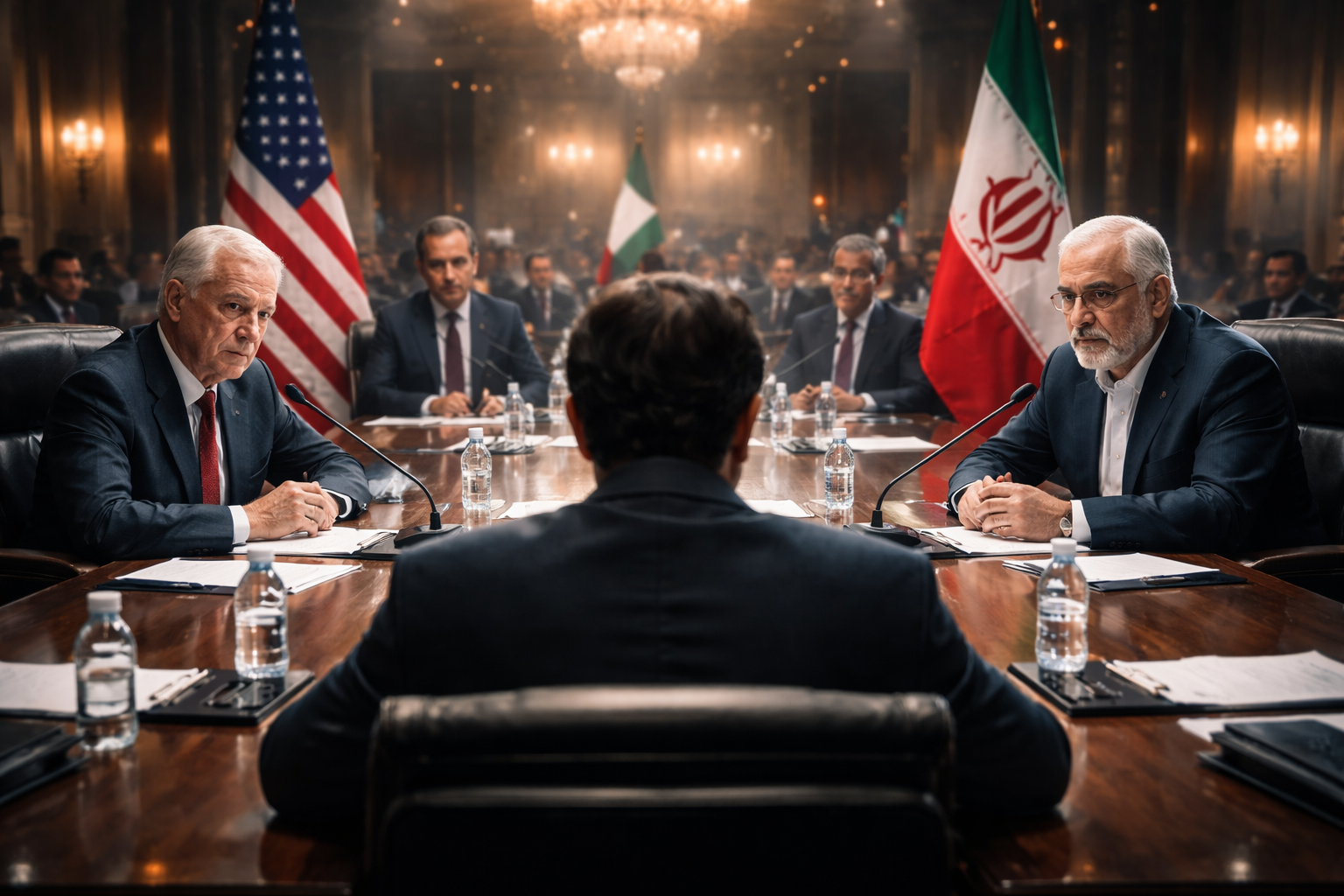
These Islamabad meetings (April 10–11, 2026) are being hosted inside the capital’s tightly secured Red Zone, with delegation movements, security protocols, and even parts of the agenda kept deliberately opaque. Still, multiple outlets have converged on a core list of confirmed names—plus a few “reported/possible” attendees worth watching closely.
Quick answer: Who attends the US-Iran peace talks in Pakistan?
The US delegation is led by Vice President JD Vance, supported by Special Envoy Steve Witkoff and Jared Kushner (reported as attending), with Admiral Brad Cooper (CENTCOM) mentioned in some reports. The Iran delegation is headed by Parliament Speaker Mohammad Bagher Ghalibaf, with Foreign Minister Abbas Araghchi and Deputy Foreign Minister Majid Takht Ravanchi. Pakistan’s hosts/mediators include Prime Minister Shehbaz Sharif, Field Marshal Asim Munir, Foreign Minister Ishaq Dar, and NSA Lt Gen Asim Malik.
us iran talks attendees pakistan (confirmed + reported)
Below is a consolidated, scannable delegates list based on overlapping reporting. Where coverage differs, I’ve labeled entries as confirmed or reported/possible to keep it clean.
US delegation (Islamabad)
- JD Vance — Vice President of the United States (delegation lead). Widely reported as the top US attendee and principal decision messenger for Washington.
- Steve Witkoff — Special Envoy (key negotiator/back-channel operator). Often tasked with testing frameworks before they go “formal.”
- Jared Kushner — Former senior advisor (reported attendee). His presence is politically loaded due to perceived Israel alignment, which Iranian officials reportedly object to.
- Admiral Brad Cooper — US CENTCOM Commander (reported/possible). If physically present, it signals the US is pairing diplomacy with hard security deconfliction planning.
Iran delegation (Islamabad)
- Mohammad Bagher Ghalibaf — Speaker of Iran’s Parliament (Majles) (delegation lead). His involvement suggests Tehran wants political weight beyond a purely foreign-ministry track.
- Abbas Araghchi — Foreign Minister (chief diplomatic operator). Typically central on sanctions language, sequencing, and verification phrasing.
- Majid Takht Ravanchi — Deputy Foreign Minister (senior negotiator). Known for technical diplomacy and structured negotiating formats.
Pakistan hosts/mediators (Islamabad “leaders pakistan summit” layer)
- Shehbaz Sharif — Prime Minister of Pakistan (host). Pakistan is positioning itself as the broker after the April 7 ceasefire.
- Field Marshal Asim Munir — Army Chief (security guarantor/mediator). His presence underscores how much the process depends on security control and credibility with both sides.
- Ishaq Dar — Deputy PM / Foreign Minister (process manager). Usually the point person for scheduling, joint language, and diplomatic choreography.
- Lt Gen Asim Malik — National Security Advisor (coordination + deconfliction). Central for intelligence-sharing guardrails and crisis communications.
Where the talks are happening—and why that matters
Multiple reports place the sessions at Islamabad’s Serena Hotel inside (or adjacent to) the heavily controlled Red Zone, with layered protection from Pakistani forces and US protective elements. This is not just logistical trivia: the venue choice affects press access, side meetings, and how easily delegations can “leave the table” without a media storm.
Security has been described as unusually intense—army control points, Rangers/police deployment, and reported US advance protective teams—paired with city disruptions including a public holiday in Islamabad in some coverage. The message: Pakistan is guaranteeing physical safety so the parties can focus on substance.
What each side is trying to achieve (and how the attendees shape it)
Iran’s push: the 10-point framework + sequencing fights
Iran’s reported 10-point outline touches the Strait of Hormuz, sanctions relief, nuclear curbs, regional de-escalation, and disputes around Lebanon ceasefire sequencing. When you see senior political power (Ghalibaf) alongside the foreign ministry (Araghchi, Ravanchi), it often means Tehran wants flexibility—but also domestic “cover” for any concessions.
US focus: enforceable constraints + regional deconfliction
With the US Vice President present, Washington is signaling the talks are not a low-level trial balloon. Witkoff’s role implies a strong emphasis on deal architecture: what gets signed, what gets verified, and what happens if either side claims non-compliance.
Pakistan’s interest: credibility as broker and crisis firewall
Pakistan’s top civilian and military leadership appearing on the host side is a tell: Islamabad wants the world to treat it as a serious diplomatic hub—and it wants both parties to see Pakistan as capable of preventing a spiral if the ceasefire cracks.
Comparison: Delegations side-by-side (who brings what)
| Side | Key figures | What their presence signals | Likely “they own” |
|---|---|---|---|
| United States | JD Vance, Steve Witkoff, (reported) Jared Kushner, (reported) Adm. Brad Cooper | Top-level political authority + back-channel negotiator; possible military deconfliction track | Sanctions sequencing, verification framing, security guarantees, regional posture |
| Iran | Mohammad Bagher Ghalibaf, Abbas Araghchi, Majid Takht Ravanchi | Political mandate + diplomatic technicians; domestic buy-in management | Sanctions relief demands, nuclear constraints language, regional “first steps” order |
| Pakistan (host) | Shehbaz Sharif, Asim Munir, Ishaq Dar, Lt Gen Asim Malik | Broker role backed by security apparatus; credibility enforcement | Venue security, shuttle diplomacy, crisis hotline structure, face-saving formulas |
Decision guide: Which attendees should you watch most?
- If you care about “will there be an actual deal?” Watch JD Vance and Abbas Araghchi. They’re the clearest indicators of political authorization and diplomatic deliverability.
- If you care about “can they draft a workable framework fast?” Watch Steve Witkoff and Majid Takht Ravanchi. This is where technical language and sequencing get solved—or collapse.
- If you care about “will security incidents derail talks?” Track any confirmed role for Asim Munir, Asim Malik, and (if present) Adm. Brad Cooper. That trio signals seriousness around deconfliction.
- If you care about political blowback risk (especially regarding Israel and regional issues), Jared Kushner’s involvement is the lightning rod—his presence can harden positions even if he’s not the primary negotiator.
Latest status (as of April 11, 2026)
Reporting converges on an opening window of April 10–11 in Islamabad following a Pakistan-brokered ceasefire announced April 7. The talks appear to be operating under heavy security and controlled messaging, with persistent friction points around Lebanon ceasefire sequencing, sanctions relief, and maritime/security oversight in the Strait of Hormuz.
If you’re tracking this day-by-day, the most reliable “tells” won’t be dramatic press lines—they’ll be: who stays in Islamabad an extra night, who meets Pakistani mediators privately, and whether technical teams expand beyond the headline principals.
FAQs
Who is leading the US delegation at the US-Iran talks in Pakistan?
US Vice President JD Vance is widely reported as leading the US delegation, with Special Envoy Steve Witkoff as a key negotiator.
Who heads Iran’s delegation for the Islamabad peace talks?
Mohammad Bagher Ghalibaf, Speaker of Iran’s Parliament, is reported as the head of Iran’s delegation, joined by Foreign Minister Abbas Araghchi and Deputy Foreign Minister Majid Takht Ravanchi.
Which Pakistani leaders are hosting the summit?
The host/mediator layer includes Prime Minister Shehbaz Sharif, Field Marshal Asim Munir, Foreign Minister Ishaq Dar, and NSA Lt Gen Asim Malik.
Where are the US-Iran peace talks in Pakistan being held?
They are reported to be taking place in Islamabad’s high-security Red Zone area, with coverage frequently citing the Serena Hotel as the main venue.
Is Jared Kushner attending the Pakistan US-Iran talks?
Several reports say yes, though coverage varies on how formal or central his role is. His attendance is controversial due to Iran’s stated concerns about his perceived Israel ties.
What’s on the agenda for the delegates?
Key items reported include Iran’s proposed framework touching sanctions relief, nuclear program constraints, Strait of Hormuz oversight, broader regional de-escalation, and disputes over Lebanon ceasefire sequencing.
Sources & further reading (authority links)
For readers who want to cross-check the reporting and dive deeper:
- White House press release on the US delegation
- Al Jazeera coverage on delegates and agenda signals
- Jerusalem Post report on Islamabad preparations and security
- TRT World analysis including Iran’s proposal framing
Related explainers (internal)
Conclusion
The biggest takeaway from the us iran talks attendees pakistan list is that these aren’t “exploratory chats.” When you have a US Vice President, Iran’s parliamentary speaker, senior foreign ministry negotiators, and Pakistan’s top civilian-military leadership all attached to the same table, the stakes—and the pressure to produce a survivable framework—rise fast.
If you’re following the outcome, don’t just watch the headlines. Watch the people: their roles tell you what can be promised, what can be verified, and what can realistically be implemented after the cameras leave Islamabad.